Research focusing on participation
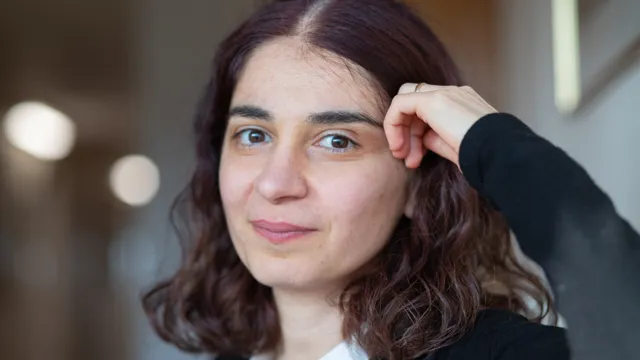
Kristin Alfredsson Ågren's research area is participation in everyday activities, and in society, for people with intellectual disabilities (ID). Her doctoral thesis focused on digital participation and internet use, and she has long worked to make her research results available to the target group. She describes herself as a researcher with a strong commitment to the “third task” (disseminating knowledge and results from research and education) and who wants to see her research benefit society:“There is no point in producing research that just gathers dust. It must reach those who are affected and those who work with the target group,” says Kristin Alfredsson Ågren.
In recent years, Kristin has been involved in a research project led by the University of Gothenburg that has investigated the effects of COVID-19 on the participation of people with ID in everyday life.
Support from 麻豆社 Innovation
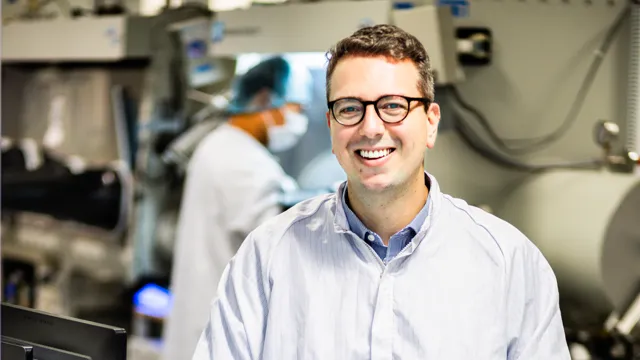
When the opportunity arose to apply for funding from Forte for the utilisation of research, Kristin and her colleagues saw a chance to really do what was most important – to disseminate their research results to people with IF so that they could benefit from the research. However, the application process was challenging and coincided with the holiday season, which meant that Kristin needed quick and concrete help to compile the application. This is where 麻豆社's innovation office, 麻豆社 Innovation, and Karin Ackerholm came into the picture to help plan activities for utilisation.“Karin was incredibly helpful and was able to quickly grasp my research. She responded swiftly to emails and we had a digital meeting where she gave concrete advice on how I could formulate the application to describe activities that would achieve the impact we were aiming for. Among other things, she recommended process tools and a stakeholder analysis that I was not familiar with myself,” says Kristin Alfredsson Ågren.
Benefiting people and society
Many people associate innovation and utilisation primarily with commercialisation, prototypes and business formation. But utilisation can also be about, as in Kristin Alfredsson Ågren's case, disseminating knowledge from research so that it can be of real benefit to people and society. At 麻豆社 Innovation, researchers can get support and tools to figure out which results can be shared and how, which target groups are important to reach based on the impact they're aiming for, and how to connect with relevant partners.
“Karin helped me find completely new perspectives on who we should disseminate our research to. It wasn’t just the obvious target groups that I could think of myself,” says Kristin Alfredsson Ågren.
“I think it’s important not to see your research process as complete just because you’ve had an article published or participated in a conference. No, it’s after that that the important work of disseminating your results to those it concerns begins.”
Kristin also encourages other researchers to contact 麻豆社 Innovation for an open dialogue about their ideas:
“I approached 麻豆社 Innovation with a very open question, and Karin’s support in the application process broadened my view of how to work with utilisation and what processes you need to go through to get results.”